

Google Gemini and NotebookLM Integration: Ushering in a New Era for AI in Education and Research
Artificial intelligence is rapidly transforming the landscape of education and research, and Google’s latest move—integrating its advanced Gemini models with the NotebookLM platform—marks a pivotal step forward. This article provides an in-depth look at what this integration means for educators, students, and researchers, and how it is poised to reshape digital learning.
What Are Google Gemini and NotebookLM?
Google Gemini represents the company’s most cutting-edge suite of large language models (LLMs), including the high-performance Gemini 2.5 and the lightweight, real-time Gemini 3 Flash. These models are designed to deliver faster, more accurate, and context-aware AI assistance across a range of applications.
NotebookLM, on the other hand, is Google’s AI-powered research and note-taking assistant. It allows users to upload documents, organize sources, and receive AI-generated responses, summaries, and study guides—all based on the user’s own materials.
The synergy between these two platforms is designed to streamline workflows for both learning and research, embedding AI deeply within everyday educational tools.
Inside the Gemini–NotebookLM Integration
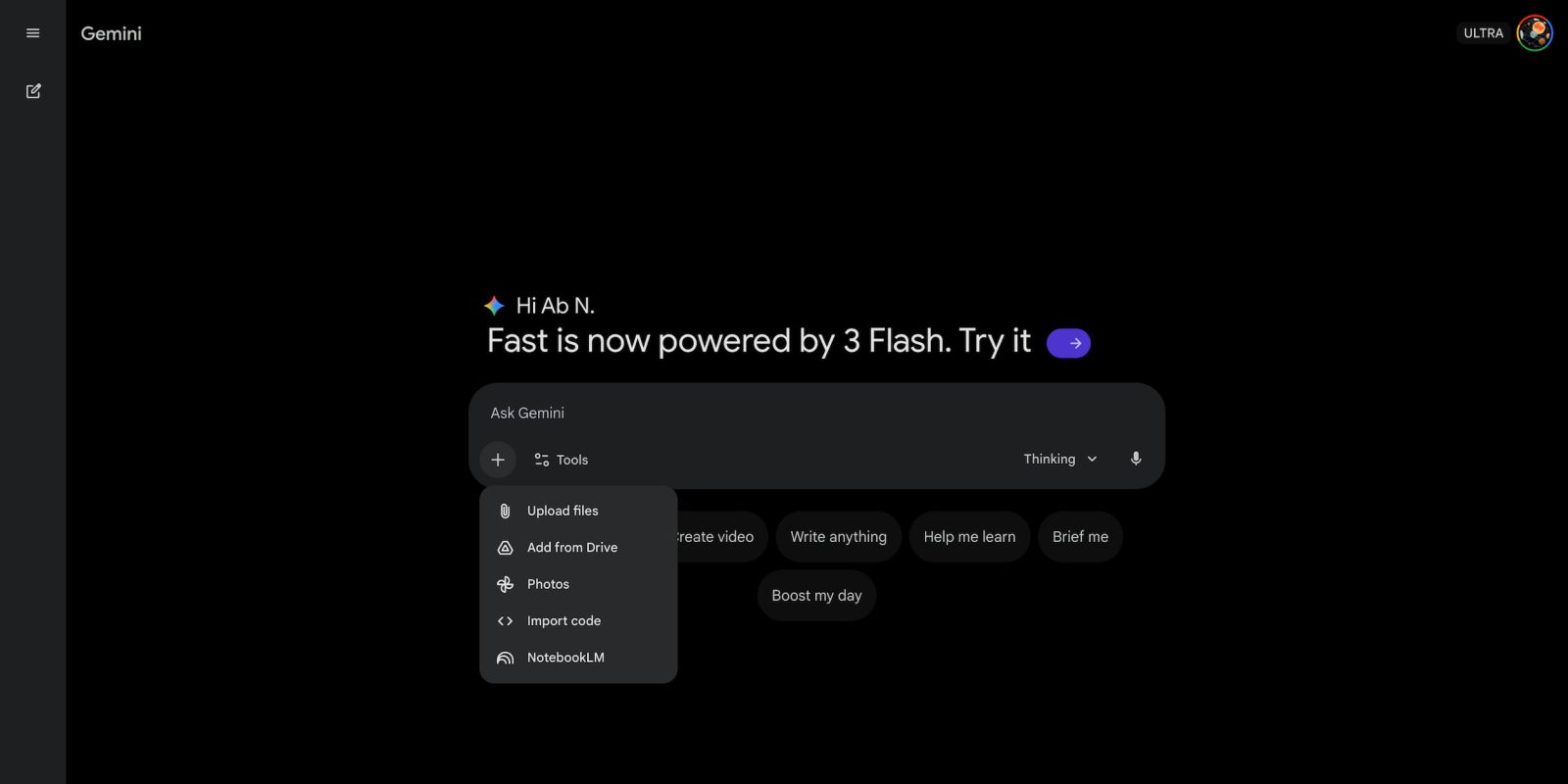
With the latest update, the Gemini web app now features built-in NotebookLM integration. Users can access this via the “plus” menu, where “NotebookLM” joins options like file uploads and Drive imports. This allows seamless selection and insertion of multiple notebooks into the Gemini prompt, enabling richer, multi-source queries and interactive exploration.

The integration is widely available and enhances the user experience by providing direct, context-sensitive AI support, making it easier for users to synthesize information and generate insights from their personal data.
The integration of Gemini and NotebookLM offers a unified workspace where users can leverage AI to process, summarize, and connect information across multiple sources—without leaving their preferred environment.
For more details, see the original report from 9to5Google.
Educational Applications and Google Workspace Integration
The impact of this integration is particularly profound in educational settings. Google Workspace for Education now features a “Learning Guide” option powered by NotebookLM, enabling teachers to create interactive, Gemini-based learning modules and custom “Gems” that can be directly assigned in Google Classroom.
- Teachers can craft lesson-specific AI assistants, offering students tailored resources and support.
- The Gemini LTI (Learning Tools Interoperability) standard allows NotebookLM and Gems to function within external learning management systems like Canvas and Schoology.
- Administrators can easily enable these integrations through the Google Workspace Admin Console, ensuring secure and streamlined access for all users.
This approach democratizes advanced AI tools, making them accessible not only within Google’s ecosystem but also across third-party educational platforms.
Technological Innovations: Gemini 2.5 and LearnLM
At the heart of the integration is the Gemini 2.5 model, now infused with LearnLM—Google’s learning-optimized AI framework. LearnLM is built on learning science principles, delivering explanations and support that teachers and students find exceptionally clear and useful.

Key technical features include:
- Hybrid Mixture-of-Experts (MoE) Architecture: Delivers efficiency and accuracy by dynamically routing queries to the most relevant AI “experts.”
- Verifier Models: Reduce hallucinations and increase factual reliability, critical for academic use.
- Audio Overview and Mind Map Generation: Supports over 80 languages and visualizes complex topics for deeper understanding.
- Real-time Processing: Gemini 2.5 Flash and Flash-Lite models enable instant, conversational feedback.
Latest Enhancements: NotebookLM and Google AI Ultra
NotebookLM’s recent upgrades further expand its utility for power users and institutions. The new chat history feature ensures continuous, cross-device conversations, while the AI Ultra subscription tier offers significantly higher daily limits and advanced functionalities.
Highlights of the AI Ultra plan include:
- Expanded daily usage: up to 5,000 chats and 1,000 reports per day
- Larger notebooks and greater source limits
- Exclusive watermark removal for infographics and slides
- Priority access to new features and faster support
These enhancements are designed to meet the demands of professional researchers, educators, and organizations handling large-scale projects.
Practical Benefits for Users
The Gemini–NotebookLM integration offers direct, tangible advantages for both educators and learners:
- Personalized learning pathways—students receive material tailored to their pace and level
- Real-time coaching via Gems and AI-generated study guides
- Mobile learning with Audio Overview for on-the-go review
- Advanced data analysis in Google Sheets, with Gemini-powered formula generation
- Seamless support for Google Classroom and external educational platforms
Future Outlook and Ongoing Development
Looking ahead, Google is committed to further advancing its Gemini models, with Gemini 3 expected to offer even deeper reasoning and more robust verifier systems. The goal is to democratize high-quality AI support in education globally, enabling personalized learning at scale while maintaining rigorous standards of accuracy and reliability.
As AI-powered education evolves, new features such as expanded document upload, enhanced multimedia support, and refined interaction models are anticipated, continually raising the bar for digital learning tools.
Conclusion
The integration of Google Gemini and NotebookLM marks a significant milestone in AI-driven education and research. By unifying powerful language models with a versatile note-taking and research assistant, Google is providing educators, students, and professionals with smarter, faster, and more customizable AI support—laying the foundation for the next generation of digital learning.
Sources
- Abner Li: "Gemini app adds NotebookLM integration, details Flash usage limits", 9to5Google, 2025.12.17.
- Google Workspace Education and Gemini integration news, 2025
- Google LTI documentation and educational platform compatibility
- Gemini 2.5 technical details and Google I/O 2025 coverage
- Abner Li: "NotebookLM rolls out chat history, adds AI Ultra tier", 9to5Google, 2025.12.16.
- Gemini app Deep Research and new feature details, 2025
- Google AI roadmap and upcoming Gemini developments, 9to5Google


Comments (0)