

Imagine your AI assistant stepping out of your headphones and onto your desk—literally. That’s the promise of Razer’s Project Ava, unveiled at CES 2026: a 5.5-inch, full-body holographic avatar that sees, hears, and interacts with you around the clock. Project Ava isn’t just another smart speaker or faceless digital aide; it’s a physical, animated companion that blurs the line between software and presence, ready to coach you through games, organize your day, and even boost your motivation.
The Leap: From Invisible Code to Holographic Character
Razer’s cylindrical desktop device houses a transparent shell and a vibrant, animated avatar (choose from Kira, Zane, esports legend Faker, or design your own). The base pulses with signature Razer Chroma RGB lighting, while dual far-field microphones, an HD camera, and ambient light sensors make Ava aware of her environment and responsive to your commands. This is dedicated hardware—Ava is always visible, always present, and never just an overlay on your screen.
- Customizable avatars—select from pre-made characters or create your own digital persona.
- Environmental awareness—Ava’s sensors and camera make interactions more natural and context-aware.
- Voice command support—get real-time coaching, advice, and feedback during gameplay or daily tasks.
- Seamless PC integration—connects to your Windows PC via high-bandwidth USB-C.
"Project Ava is not just an assistant but a digital companion that learns and evolves with you." — mashable.com
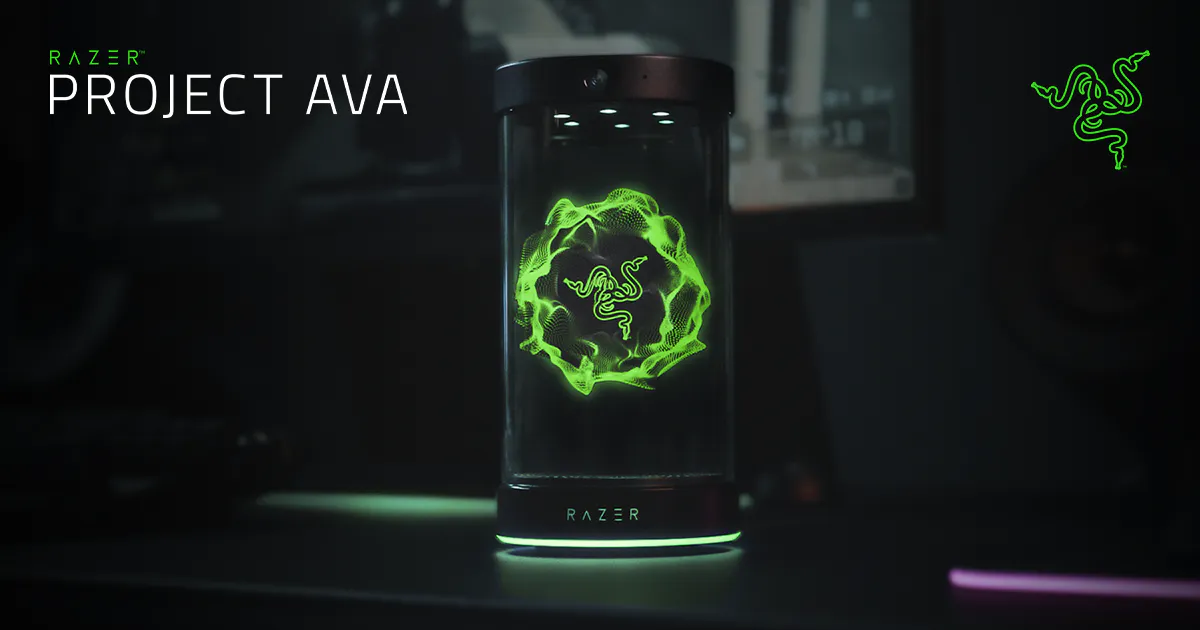
What Can Project Ava Actually Do?
Ava’s AI is powered by xAI’s Grok engine (with hints of future Razer AI upgrades), enabling her to learn your preferences and adapt over time. She’s a real-time gaming co-pilot—during the CES 2026 demo, Ava (as Kira) offered smart loadout advice for Battlefield 6, suggesting optimal gear and strategies. But Ava isn’t just for gamers: she can organize your schedule, synthesize data, translate languages, and offer daily wellness tips. Her open architecture means more features are on the way.
- Live gameplay coaching—context-aware tips and commentary, without automating gameplay or breaking developer terms.
- Productivity support—calendar management, reminders, and creative problem-solving.
- Wellness tracking—daily motivation and health reminders.
- Voice recognition—works well, though very noisy environments can challenge accuracy.
"It’s coaching, but with a personality and a face." — mashable.com
Privacy, Presence, and the Future of AI Companions
Project Ava’s always-on camera and microphones mean she’s hyper-aware—but that also raises privacy questions. Users will need to balance the benefits of a more interactive, human-like AI with the reality of sharing their space with a device that’s always listening and watching. Razer is betting that the value of a truly present digital companion will outweigh these concerns for many users.
- Reservations open now in the US with a $20 deposit (credited toward the final price).
- Planned launch in the second half of 2026—no official release date yet.
- Market success will hinge on user comfort with a physical AI presence in their daily lives.
"This AI sees, hears, reacts, and looks back at you through a chosen avatar." — pcguru.hu
Bottom Line: Are You Ready to Share Your Desk?
Razer’s Project Ava is more than a flashy gadget—it’s a bold vision of AI that’s not just smart, but present, personable, and interactive. With customizable avatars, real-time gaming smarts, and productivity features on the horizon, Ava is poised to redefine what it means to have an AI companion. The only question left: are you ready to let a holographic AI move in?


Hozzászólások (0)