

The race to build smarter, more autonomous weapons systems is no longer science fiction—it's rapidly reshaping battlefields and humanitarian response zones alike. In 2026, the high-stakes partnership between US defense tech giant Anduril and Emirati powerhouse EDGE is set to redefine how AI-powered drones change not only warfare but also crisis management worldwide. Here’s why their Omen drone alliance matters now more than ever.
The New AI Arms Race: Anduril, EDGE, and the Strategic Rise of Omen
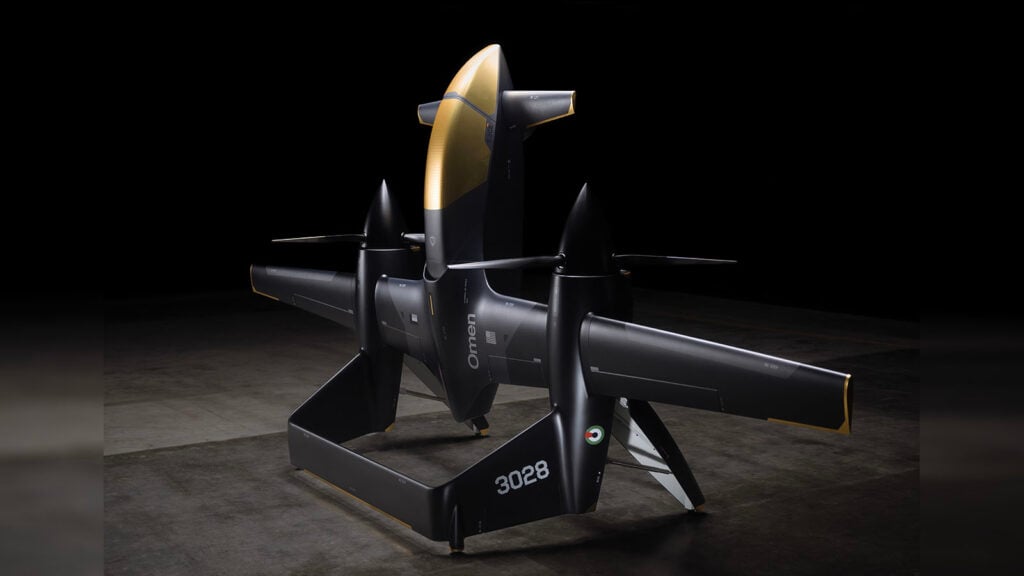
The formation of the EDGE–Anduril Production Alliance in late 2025 marks a pivotal moment for military AI. With a $200 million investment from EDGE and Anduril leveraging over $850 million in previous autonomous tech development, this joint venture isn’t just a business deal—it’s a signal that the Middle East is emerging as a key hub for AI-powered, vertical take-off drones. Their first flagship: the Omen, an autonomous, tail-sitter drone capable of helicopter-like takeoffs and airplane-range missions.
- Omen’s initial order: 50 units for an undisclosed Emirati customer
- Dedicated 50,000-square-foot R&D and simulation center in Abu Dhabi
- Goal: Full-scale production by end of 2028
What sets the Omen apart is its integration of Lattice AI—Anduril’s software brain that enables drones to operate in coordinated swarms with minimal human oversight. This leap means military planners can deploy fleets for intelligence, electronic warfare, maritime patrol, or even special operations faster and with greater flexibility than ever before.
"The Omen's core 'intelligence' is powered by the Anduril Lattice AI system, enabling coordinated operations across multiple autonomous platforms—bringing swarm drone concepts to life and minimizing operator workload."— Source Intelligence Report
Beyond the Battlefield: Humanitarian Potential or PR Spin?
While the military focus grabs headlines, the Omen’s capabilities stretch beyond combat. Both Anduril and EDGE highlight civilian and humanitarian scenarios—from restoring mobile communications after disasters to conducting maritime patrols or supporting rescue missions. The drone’s ability to act as a temporary airborne base station could be a game-changer in regions struck by earthquakes or hurricanes, where infrastructure is wiped out.
- Disaster relief: Airborne communication hubs for first responders
- Maritime patrol: Autonomous surveillance over vast sea areas
- Special missions: Reconnaissance in dangerous or inaccessible zones
Yet, as 2026 humanitarian trend reports caution, the spread of weaponized autonomous systems is outpacing the development of international laws and crisis management strategies. This disconnect raises questions: Are these humanitarian promises genuine, or are they a strategic shield for expanding AI arms exports?
Regulation, Geopolitics, and the Collision of Norms
The export and deployment of the Omen and its underlying Lattice AI aren’t just business or technical issues—they’re deeply political. US ITAR export controls mean that every transfer of advanced AI drone technology is subject to Washington’s approval, making the US a gatekeeper for the Middle East’s ambitions to become a regional drone superpower. At the same time, global competition is intensifying, with China and other players pushing their own AI-enabled systems.
- US oversight determines the pace and scale of Omen exports
- Global AI arms race is accelerating faster than regulatory systems can adapt
- Humanitarian organizations are warning about the ethical and safety risks of unchecked autonomous weapons proliferation
"The spread of weapon-equipped autonomous systems is far outpacing the speed of international regulation and crisis management mechanisms." — Source Intelligence Report

2026–2030 Outlook: The Dawn of AI Factories and the "Agentic" Future
The Anduril–EDGE alliance embodies a wider trend: traditional defense is giving way to software-driven, continuously updated, modular AI platforms. Think less about static weapon systems, more about AI factories capable of rapid iteration and deployment. Analysts predict that by 2030, the military AI sector will be shaped by:
- Generative, agentic AI resources embedded at organizational and national levels
- Modular drone factories that enable customized, on-demand capabilities
- Persistent tension between market growth and rising ethical, humanitarian, and strategic risks
The result? An era where the boundaries between combat, security, and civilian aid become increasingly blurred—and where technology outpaces both policy and public understanding.
"The timing of this development coincides with the acceleration of the global military AI race, while humanitarian organizations’ 2026 trend reports emphasize that the proliferation of armed autonomous systems far exceeds the adaptability of international regulation and crisis response mechanisms."— Source Intelligence Report
Conclusion: Key Takeaways for 2026 and Beyond
The Anduril–EDGE Omen alliance is more than a headline—it’s a blueprint for how AI is transforming warfare, crisis response, and global power structures. As AI-powered drones scale up from concept to mass deployment, expect:
- Faster, more coordinated operations—on and off the battlefield
- Growing humanitarian applications, but also greater risks of misuse
- Increasing regulatory, ethical, and geopolitical complexity
For governments, NGOs, and tech leaders alike, the challenge is clear: can our policies and crisis management keep pace with the relentless advance of autonomous AI systems?


Comments (0)