

The artificial intelligence landscape has never been more dynamic—or more unpredictable. As the dust settles from OpenAI’s meteoric rise, a new cohort of challengers is rewriting the rules of the game, from China’s DeepSeek to Intel’s hardware breakthroughs. The question on everyone’s mind: who will hold the power in 2026’s AI world, and what does that mean for innovation, industry, and society?
OpenAI’s Era: Disruption, Dominance, and the Rise of Open-Source Models
Over the past few years, OpenAI has set the tone for global AI development, driving advances in generative AI and large language models (LLMs). But between 2023 and 2025, a dramatic shift unfolded. Open-source models—once considered underdogs—began to challenge proprietary giants.
- DeepSeek, a Chinese company, stunned the AI industry in early 2026 with the release of its R1 open-source reasoning model. Despite limited resources, DeepSeek delivered a model that rivaled the very best from the West.
- This achievement posed a direct challenge to OpenAI’s closed approach, fueling debates about transparency, accessibility, and innovation.
- Globally, the proliferation of open-source solutions accelerated, with non-Western players rapidly narrowing the technology gap.
"The last year shaped up as a big one for Chinese open-source models. In January, DeepSeek released R1, its open-source reasoning model, and shocked the world with what a relatively small firm in China could do with limited resources." — MIT Technology Review

The “AI PC” Revolution: Intel’s Core Ultra Series 3 and Edge AI
Hardware innovation is rapidly democratizing AI. At CES 2026, Intel launched its Core Ultra Series 3 “Panther Lake” processors built on the advanced 18A process, ushering in the era of the “AI PC.” These chips offer up to 50 NPU TOPS and significant LLM acceleration, boasting battery life close to 27 hours.
- On-device AI is now a reality, enabling local LLM execution without needing to call cloud-based services like those offered by OpenAI.
- Performance boosts up to 1.9× for edge deployments mean industries—robotics, smart cities, healthcare—can harness AI at the source.
- This shift threatens to erode OpenAI’s dominance in cloud AI, forcing a rethink of the centralized model.
Redefining the Balance: Security, Regulation, and the New AI Power Map
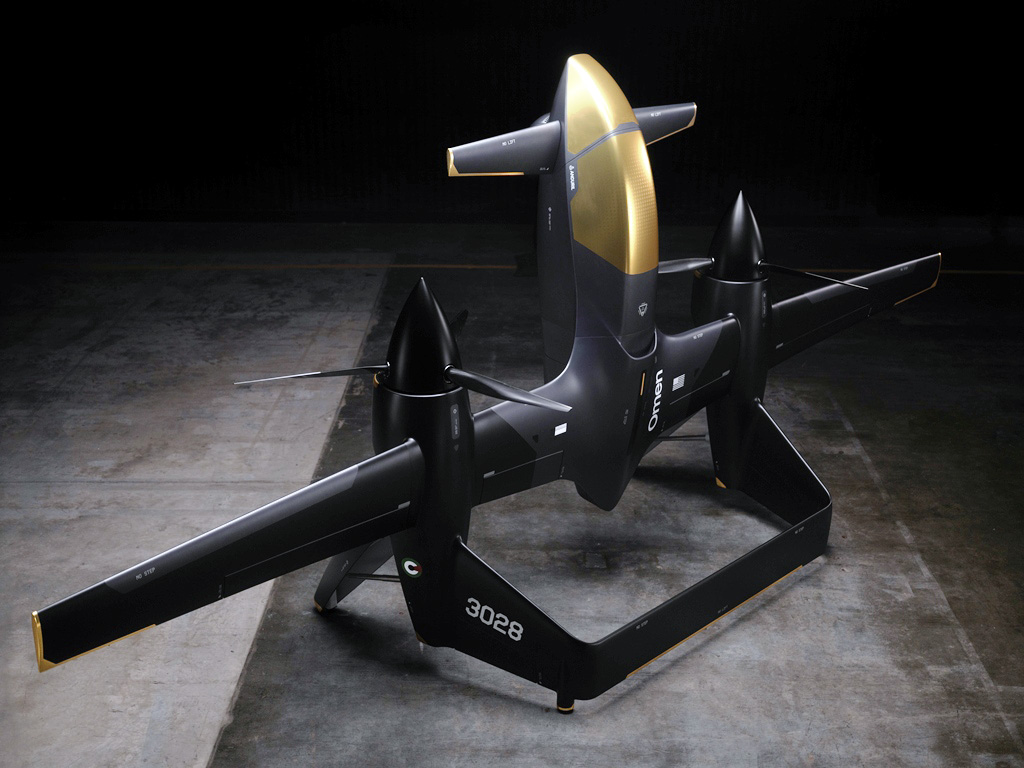
The decentralization of AI is not just technical—it’s geopolitical and ethical. Autonomous weapons powered by advanced AI, including drones and submarine systems, are emerging alongside humanitarian concerns. Regulatory pressure is mounting, especially regarding military and security applications of AI technology, including OpenAI’s own models.
- With global economic growth steady but subdued, major AI players are being pushed to demonstrate real, measurable productivity gains—not just hype.
- We’re seeing a new division of labor: cloud-based AI (like OpenAI’s services) versus edge and device-level AI (Intel, DeepSeek, and others).
- This fragmentation could lead to either a dominant “AI operating system” or a highly diversified, open-source-driven AI marketplace by 2030.
"In 2026, AI won’t just summarize papers, answer questions and write reports — it will actively join the process of discovery in physics, chemistry and biology." — MIT Technology Review
What’s Next? Scenarios for 2026 and Beyond
Looking ahead, two main scenarios are emerging:
- OpenAI as “AI OS”: OpenAI could evolve into the core infrastructure for global AI, powering everything from enterprise workflows to personal assistants.
- Fragmented Market: Open-source and local AI solutions could proliferate, driving a more pluralistic, innovation-rich ecosystem.
Both futures depend on how the industry navigates security, regulation, and real-world impact. The only certainty? The balance of AI power is in flux, and every player—from startups to giants—must adapt or risk falling behind.
Conclusion: The New AI Power Game
The AI landscape of 2026 is defined by fierce competition, rapid decentralization, and the growing might of open-source challengers. OpenAI is no longer unchallenged; DeepSeek, Intel, and other global innovators are pushing the envelope. For businesses, policymakers, and technologists, keeping pace with this shifting power dynamic is both the challenge and the opportunity of the decade.

Comments (0)